Military training increasingly depends on unmanned aircraft systems, but managing dozens or hundreds of drones across a training area creates a visibility problem. A pilot may know where one aircraft is. The unit next to that pilot may know as well. Commanders need a common operating picture that shows where every UAV is, whether it is moving, and where it last operated.
Real-world mishaps show why that visibility matters. In 2020, an MQ-9A Reaper at Ali Al Salem Air Base suffered catastrophic damage after losing its satellite uplink during landing. The Air Force valued the loss at approximately $42 million. In another 2023 MQ-9A accident in California, loss of connectivity contributed to a crash that caused $16.1 million in government property damage. These incidents involved larger aircraft than small UAS used in field training, but they illustrate a broader point: when connectivity or aircraft systems fail, situational awareness can disappear quickly.
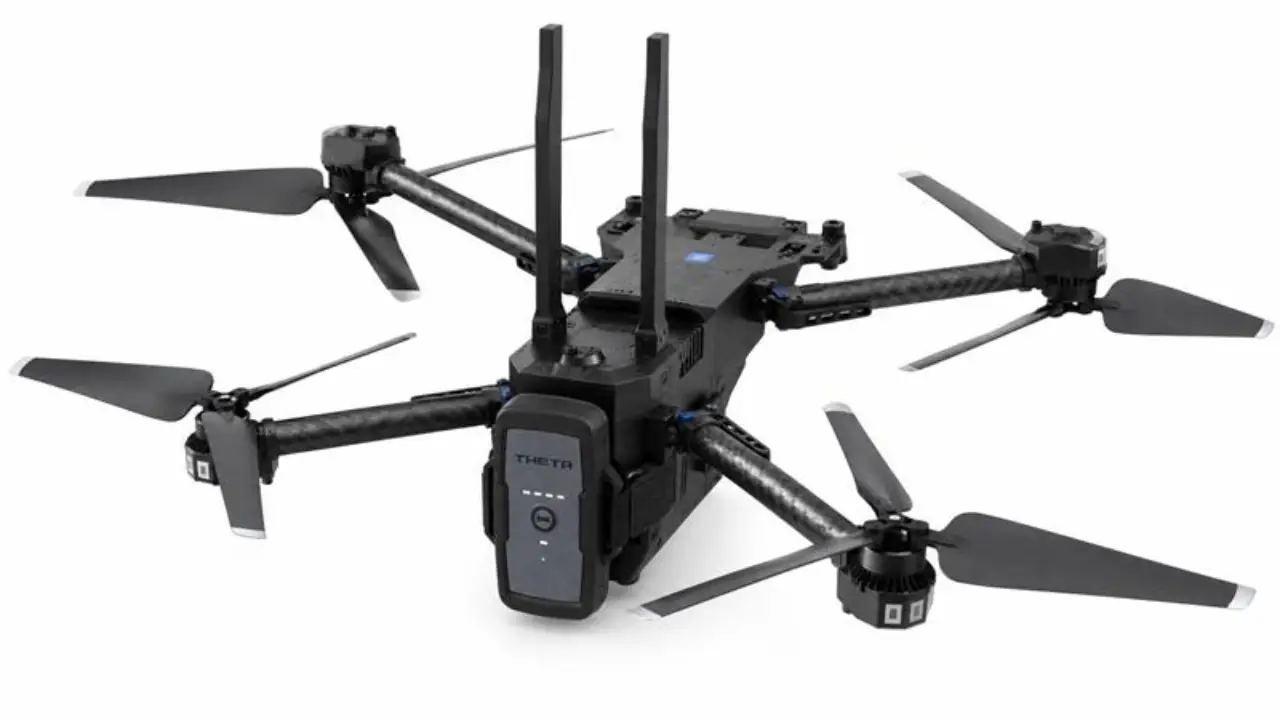
BlackOhm Theta adds an independent layer of UAS tracking. The device attaches to a drone and continues providing location data independently of the aircraft’s primary power system. If a drone battery dies, the aircraft lands unexpectedly, or the platform stops communicating, commanders can retain visibility of its location through the BlackOhm Omega common operating picture.
During exercises, that data can help units identify drones that leave designated training areas, locate disabled aircraft faster, coordinate recovery teams, and review flight activity after an event. Instead of relying on radio calls, individual operators, or delayed reports, leaders can see aircraft in one shared view.
Theta does not prevent every drone failure. It provides something equally important after a problem occurs: independent location data. For military units operating many UAS across large training areas, that visibility can reduce recovery time, improve accountability, strengthen training safety, and provide better data for after-action reviews.