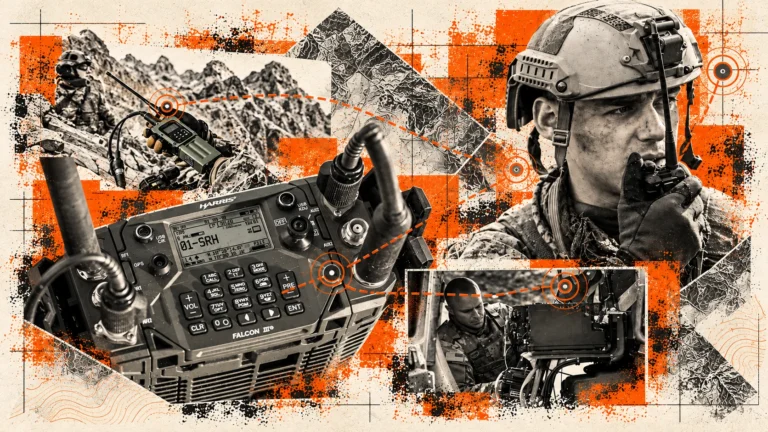
General Mobile Radio Service (GMRS) is a licensed two-way radio service operating within the Ultra High Frequency (UHF) spectrum. GMRS frequencies support short-range voice communications, making them useful for outdoor activities, emergency preparedness, and local coordination. However, GMRS differs significantly from modern wireless technologies designed for GPS tracking, remote monitoring, and Internet of Things (IoT) applications.
Understanding GMRS frequency bands, transmission power, and radio propagation helps explain why technologies such as LoRa, NB-IoT, and LTE-M are used for connected personnel and asset tracking.
What Frequencies Does GMRS Use?
GMRS operates on 30 channels within the 462 MHz and 467 MHz frequency bands, regulated by the Federal Communications Commission (FCC) under 47 CFR Part 95.
These channels include:
- 462 MHz main channels: Eight frequencies between 462.5500 and 462.7250 MHz.
- 462 MHz interstitial channels: Seven frequencies between 462.5625 and 462.7125 MHz.
- 467 MHz main channels: Eight frequencies primarily used as repeater inputs.
- 467 MHz interstitial channels: Seven frequencies designated for low-power handheld transmissions.
FCC regulations set different transmitting power limits by channel and equipment type. Mobile, repeater, and base stations can transmit at up to 50 watts on main channels. The limits on 462 MHz and 467 MHz interstitial channels are 5 watts and 0.5 watts effective radiated power, respectively.
GMRS generally requires an individual FCC license and operates on shared frequencies rather than dedicated private channels.
GMRS Radio Range and Signal Propagation
General Mobile Radio Service communication range depends on transmitter power, antenna height, terrain, and surrounding obstacles.
Handheld GMRS radios may achieve about 1–5 miles in favorable, open terrain, although buildings, vegetation, and elevation changes can significantly reduce effective coverage.
Because UHF signals primarily propagate along line-of-sight paths, mountains, structures and terrain features can obstruct communication.
Repeaters installed at elevated locations can extend GMRS coverage to substantially greater distances. However, reliable communication still depends on radio visibility, antenna performance, and interference conditions.
GMRS vs. LoRa and Cellular IoT Networks
Although GMRS provides two-way communications, technologies such as LoRa and cellular IoT are specifically suited to transmitting data between connected devices.
| Technology | Frequency range | Primary application |
|---|---|---|
| GMRS | 462–467 MHz | Two-way voice communications |
| LoRa | Commonly 902–928 MHz in the U.S. | Low-power sensor and tracking data |
| NB-IoT | Licensed cellular bands | Low-bandwidth IoT telemetry |
| LTE-M (Cat M1) | Licensed cellular bands | Mobile IoT connectivity |
- LoRa uses spread-spectrum modulation to transmit small data packets over long distances while minimizing power consumption. LoRaWAN is a separate networking protocol built on LoRa radio technology.
- NB-IoT is designed for energy-efficient communications between connected devices and cellular infrastructure.
- L-TE-M supports mobile IoT applications, including devices that periodically transmit location and operational information.
Unlike GMRS, cellular IoT systems can transmit tracking information through carrier networks without requiring a nearby radio operator or a dedicated local repeater. Coverage and reliability still depend on network availability and deployment conditions.
Advanced Personnel Tracking with BlackOhm
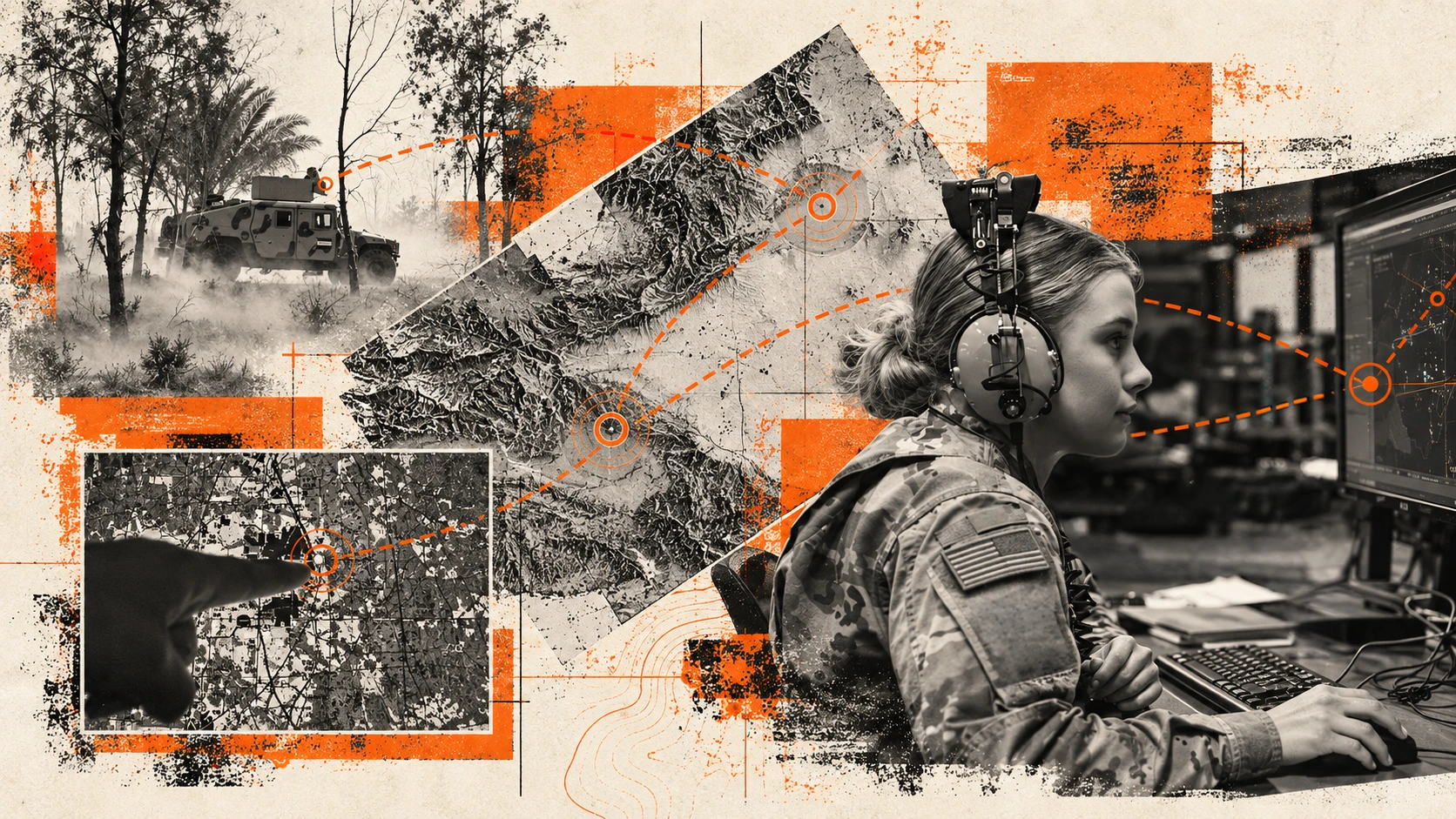
For military and public safety operations, communication requirements extend beyond traditional voice transmissions. Organizations also need visibility into personnel locations, equipment status, and movement across geographically dispersed environments.
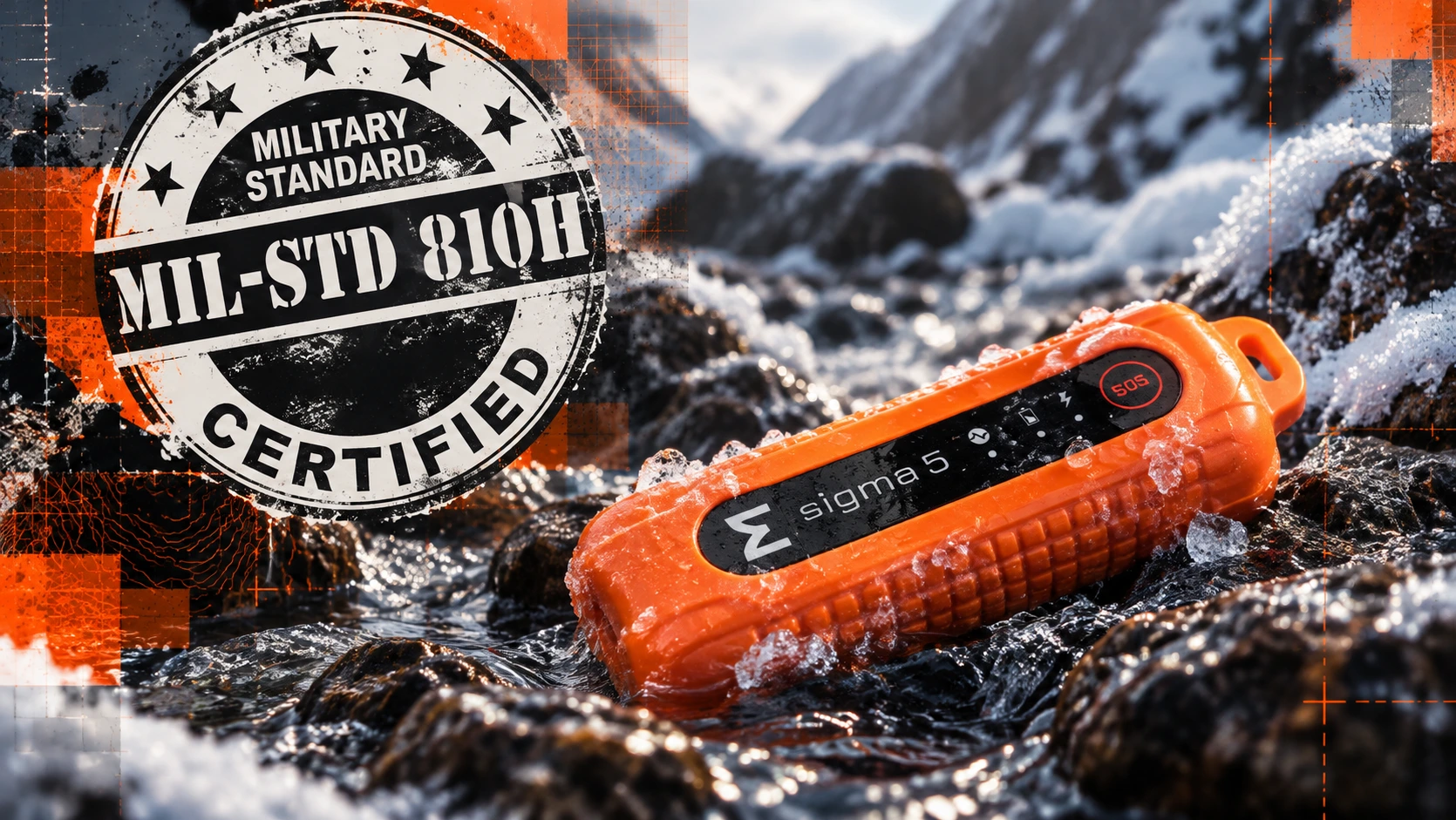
BlackOhm’s Dismounted Tracking Unit (DTU) supports multiple connectivity technologies, including LoRa RF, NB-IoT and Cat M1, allowing configurations to address different operational environments and network requirements. The DTU provides GPS-based location data, movement history, battery information, geofence alerts, and SOS functionality. Personnel can access location and device information through the BlackOhm Omega common operating picture to support accountability and operational coordination.
While GMRS remains useful for short-range voice communication, purpose-built IoT tracking technology supports automated location reporting and centralized monitoring without depending on periodic voice check-ins. Combining satellite-based positioning with suitable wireless data networks helps organizations maintain personnel visibility, improve coordination, and support more informed operational decisions.