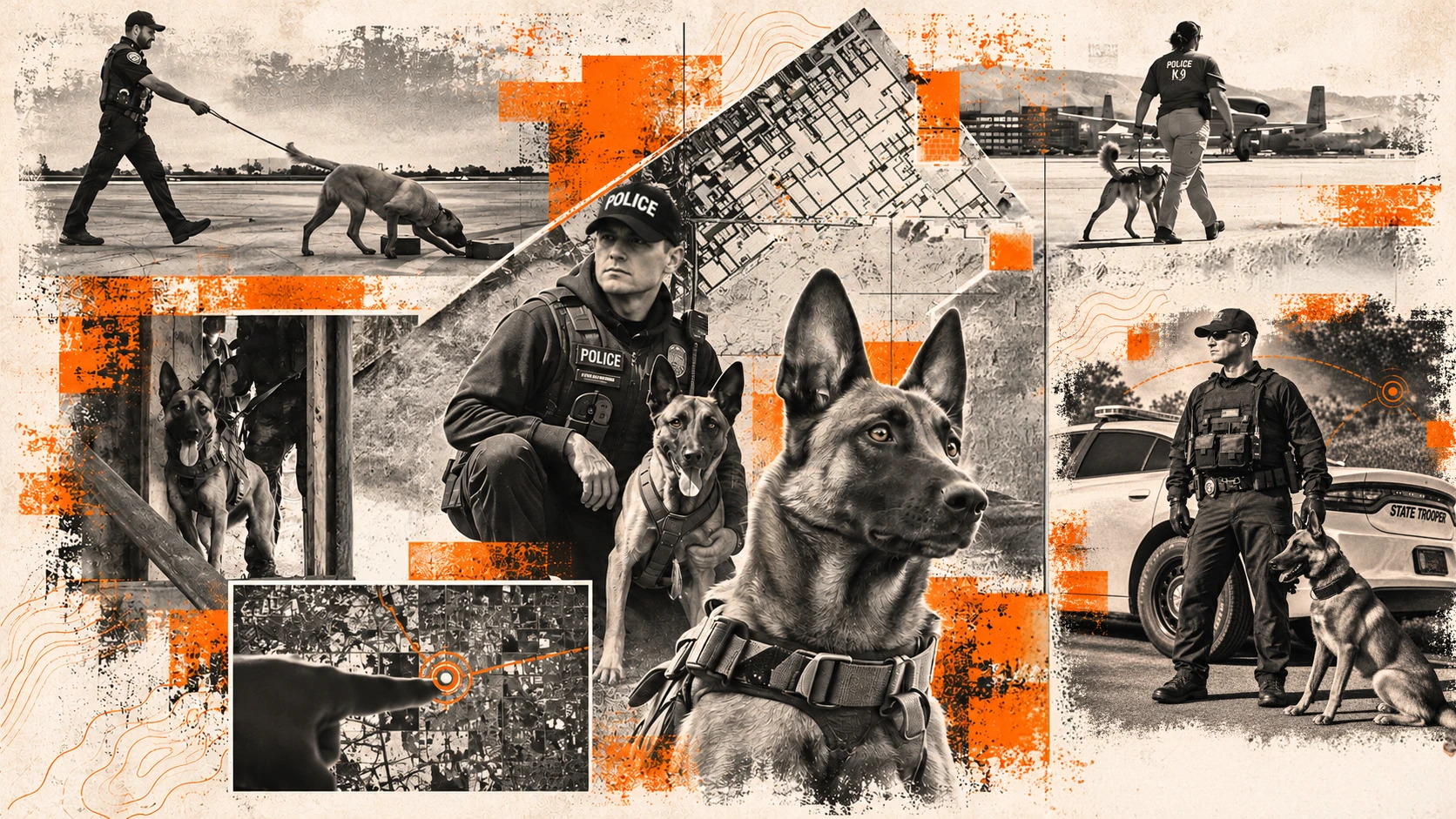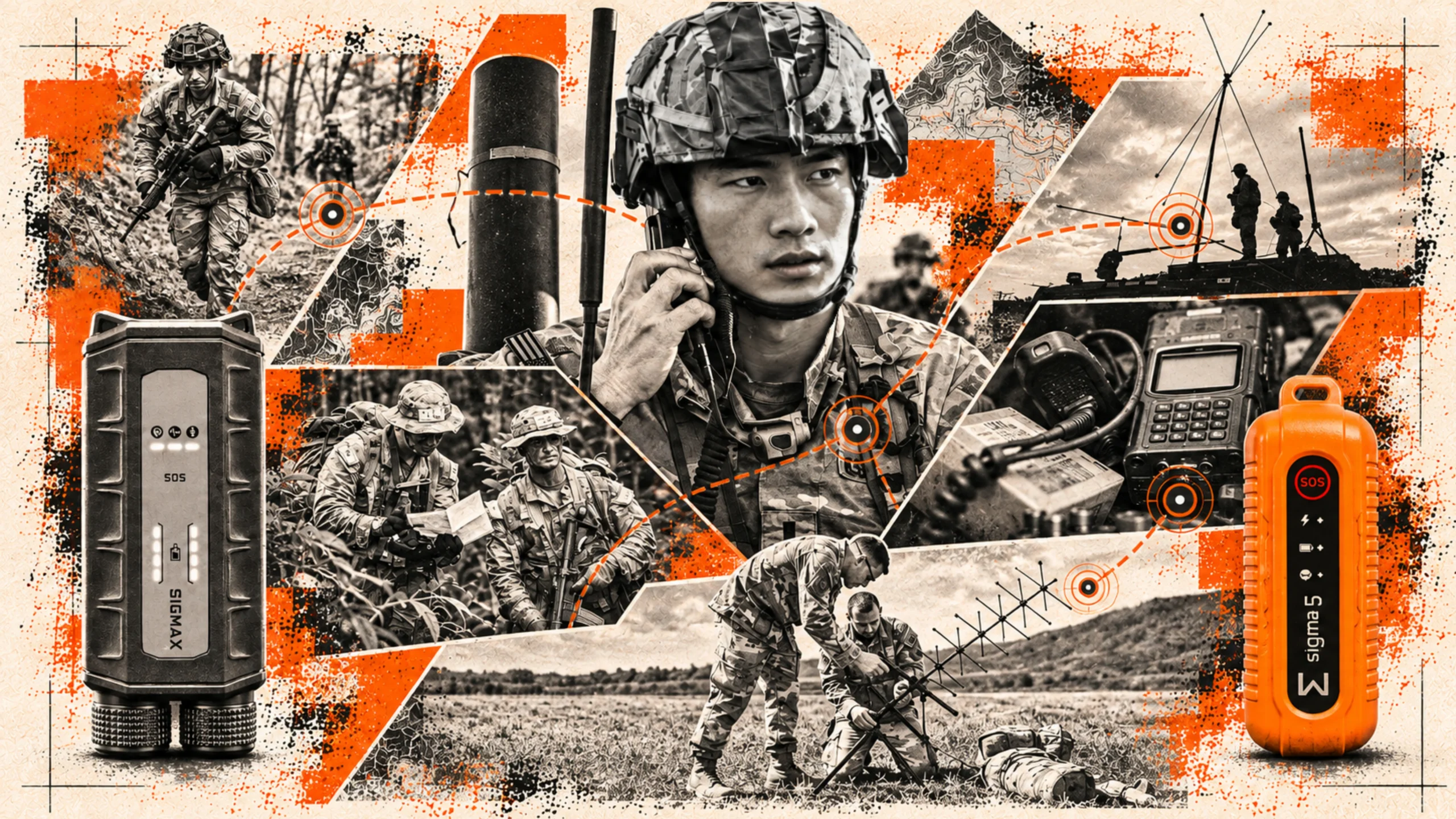
BlackOhm personnel trackers can help supervisors follow a K9 handler’s last reported location alongside other tracked officers and resources. That information gives the search commander a reference for coordinating support and reviewing team movement. Effective police K9 tracking starts with knowing whose location is displayed. A tracker carried by the handler records the handler’s movement. A separate, appropriately configured dog-mounted tracker is needed to record the dog’s movement independently.
What a K9 Activity Tracking System Shows
A GPS-enabled K9 activity tracking system can provide location history that helps supervisors understand how a search developed. The information becomes useful when each report is associated with the correct handler or dog. For the search commander, a handler’s recorded movement can help identify which officer to contact before redirecting support. For a trainer, the same record can support a discussion about routes, coordination, and changes made during an exercise.
Handler and dog locations should remain distinct. Even when they operate as one team, a handler’s position should not be presented as a separately measured location for the dog.
The Duke Case and GPS Location History
A November 2011 case in South Carolina demonstrates the value of recorded movement. Duke, a bloodhound with the Aiken Bloodhound Tracking Team, was following suspects linked to an allegedly stolen tractor-trailer. During the search, Duke was attacked, and his GPS collar was cut off. Officers used GPS information to identify where Duke had been and reach him, while another dog continued the search. Investigators later mapped the recorded routes in court to explain where the K9 teams had traveled. The case illustrates how police dog tracking can support recovery and help reconstruct a search afterward. The lesson is practical: location history can help personnel decide where to follow up during an incident and explain recorded movements afterward.
Coordinating Handlers and Supporting Officers
In an illustrative missing-person search, a K9 handler moves through an assigned area while other officers work nearby. The commander compares the handler’s last reported location with those officers’ reports and the search assignments.
If the handler requests assistance, the map helps the commander identify a supporting officer to contact. If the location report is old, the commander requests an update before making a reassignment. The handler’s radio report explains the team’s activity, observations, and needs. BlackOhm’s tracking approach connects supported personnel and resources within a shared operational picture. For K9 operations, tracking the handler adds location context to the information supervisors already receive through established search procedures.
Reviewing Routes During K9 Tracking Training
Location history also supports K9 tracking training. Trainers can compare recorded movement with planned exercises, handler notes, and radio reports to discuss how the team traveled and coordinated with supporting personnel. A recorded route shows where the tracked subject reported movement. It does not establish that every surrounding area was thoroughly searched.
Keeping that distinction clear helps trainers use the data alongside the handler’s observations rather than drawing conclusions from the map alone. Reviewing the route afterward can help teams discuss assignment changes, communication gaps, and the timing of requests for assistance.
Evaluating Dog-Mounted Tracking
Effective police K9 tracking provides greater visibility into search operations, helping law enforcement teams monitor personnel locations, coordinate resources, and maintain accountability. Tracking handlers and dogs independently requires separate location sources, with dog-mounted equipment designed to meet the demands of active K9 operations.
BlackOhm GPS tracking solutions provide real-time handler location data and movement history, giving commanders valuable insight into search progress and team deployment. These capabilities support faster coordination of backup personnel, identification of reporting gaps, and detailed route analysis during training and field operations.